The Mental Health Benefits of Crafting: How Creativity Can Enhance Calmness and Wellbeing

Crafting is more than just a hobby or a way to pass time. It offers a powerful way to improve mental wellbeing and bring calmness into daily life. When you engage in creative activities like knitting, painting, or woodworking, your brain shifts focus from stress and worries to the present moment. This shift can reduce anxiety, boost mood, and create a sense of accomplishment. In this post, we explore how crafting supports mental health and why it is a valuable practice for anyone seeking balance and peace.
How Crafting Calms the Mind
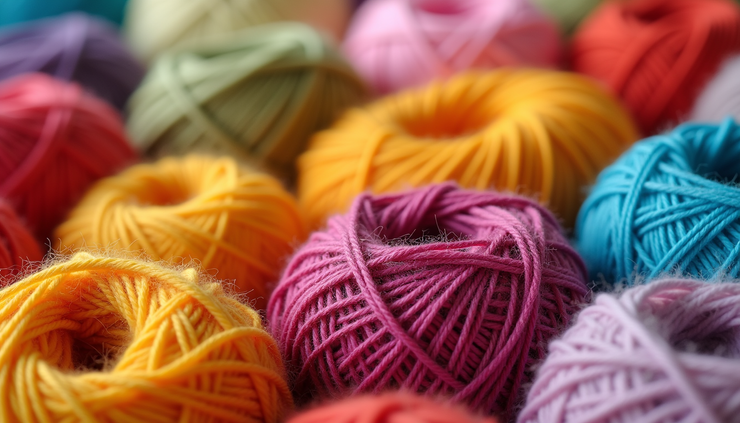
Crafting requires concentration and repetitive motions, which can have a soothing effect on the brain. This focus helps interrupt negative thought patterns and reduces feelings of anxiety. For example, knitting involves rhythmic hand movements that many find meditative. The brain enters a relaxed state similar to mindfulness meditation, lowering stress hormones and promoting calmness.
The act of creating something tangible also provides a distraction from daily pressures. When you concentrate on a craft project, your mind is less likely to dwell on worries or stressful events. This break from rumination can improve overall mental health and help manage symptoms of depression and anxiety.
Boosting Mental Wellbeing Through Creativity
Engaging in creative activities stimulates different parts of the brain, encouraging problem-solving and innovation. This mental exercise can improve cognitive function and increase feelings of self-worth. Completing a craft project gives a sense of achievement, which boosts confidence and motivation.
Crafting also encourages self-expression. Whether you are painting, sewing, or building, you communicate your thoughts and emotions through your work. This form of expression can be especially helpful for people who find it difficult to talk about their feelings. It offers a safe outlet to explore emotions and reduce internal tension.
Social Benefits of Crafting
Crafting can be a social activity, bringing people together in clubs, classes, or online communities. Sharing a creative interest builds connections and reduces feelings of loneliness. Social interaction is a key factor in maintaining mental health, and crafting groups provide a supportive environment where people encourage each other.
Even when crafting alone, sharing your work or progress with others can create a sense of belonging. Online platforms allow crafters to exchange ideas, celebrate successes, and find inspiration. This community aspect adds another layer of wellbeing to the creative process.
Practical Ways to Start Crafting for Mental Health
You don’t need to be an expert to enjoy the mental health benefits of crafting. Here are some simple ways to begin:
Choose a craft that interests you: Whether it’s drawing, knitting, or making jewelry, pick something that feels enjoyable.
Set small goals: Start with easy projects to build confidence and avoid frustration.
Create a dedicated space: Having a calm, organized area for crafting helps establish a routine.
Schedule regular time: Even 15-30 minutes a day can make a difference.
Join a group or class: I am running a affirmations craft class next week in Dalston, London UK. Why not join in! Tickets available in my events page.
Examples of Crafts That Promote Calmness
Certain crafts are especially effective at promoting relaxation and mental wellbeing:
Knitting and crocheting: The repetitive motions and focus required can reduce stress and improve mood.
Painting and drawing: These allow for emotional expression and mindfulness.
Gardening crafts: Creating plant arrangements or terrariums connects you with nature, which has calming effects.
Paper crafts: Activities like origami or scrapbooking engage fine motor skills and concentration.
Woodworking: Building something with your hands provides a sense of accomplishment and focus.
Scientific Research Supporting Crafting Benefits
Research shows that crafting can lower cortisol levels, the hormone linked to stress. A study published in the Journal of Occupational Therapy found that participants who engaged in creative activities reported decreased anxiety and improved mood. Another study in Art Therapy journal highlighted how crafting helped reduce symptoms of depression and enhanced feelings of wellbeing.
These findings support what many crafters experience firsthand: creativity is a powerful tool for mental health.
Tips to Maximize Mental Health Benefits from Crafting
To get the most from your crafting time, consider these tips:
Focus on the process, not perfection: Enjoy the act of creating rather than stressing about the outcome.
Use crafting as a mindfulness practice: Pay attention to the textures, colors, and movements involved.
Mix up your projects: Trying new crafts keeps your brain engaged and prevents boredom.
Combine crafting with other healthy habits: Pair your creative time with calming music or a cup of tea.
Be patient: Mental health benefits build over time with consistent practice.
Crafting is a flexible and accessible way to support mental wellbeing. It fits into busy schedules and can be adapted to any skill level.
Crafting as a Tool for Emotional Resilience
Regular creative activity builds emotional resilience by providing a healthy outlet for stress and emotions. When life feels overwhelming, crafting offers a way to regain control and find calm. It encourages problem-solving and patience, skills that transfer to other areas of life.
By developing a crafting habit, you create a personal space for self-care and reflection. This practice strengthens your ability to cope with challenges and maintain mental balance.


Comments